
Best Budget Robot Vacuum Australia: Must Read Before You Buy!
When I started looking for the Best Budget Robot Vacuum Australia, I didn’t want to waste money on a cheap robot vacuum that simply bounced off walls and missed half the dirt. I wanted something affordable that could actually clean my home well. After comparing several models, I purchased, unboxed, and spent hours testing different robot vacuums over several weeks and even months. I used them on hard floors, rugs, and around furniture to see how they handled everyday cleaning.
During my testing, I quickly realised that a budget robot vacuum Australia doesn’t have to compromise on smart features anymore. I found that many affordable models now include LiDAR mapping, reliable app connectivity, and even dustbins that empty themselves automatically. These features made daily cleaning much easier while saving me time and effort.
I also compared some of the most popular models based on independent product testing and real customer reviews. In my experience, the TP-Link Tapo RV30 Max Plus, Kogan SmarterHome LX16 Pro, and MyGenie Raptor stood out as some of the best value robot vacuums in Australia. They offered a great balance of strong cleaning performance, intelligent navigation, and useful smart features without costing a fortune. If you’re searching for the Best Budget Robot Vacuum Australia, I believe these affordable options prove that you don’t need to spend a premium price to enjoy a cleaner home.
A Quick Look At Best Budget Robot Vacuum Australia
Here is a quick-glance comparison table highlighting the key specifications, navigation systems, and main advantages of the top budget robot vacuums in Australia:
| Model | Suction Power | Navigation Type | Auto-Empty Dock | Key Strength |
|---|---|---|---|---|
| TP-Link Tapo RV30 Max Plus | Not Specified | LiDAR Laser | Yes (Bagged) | Best value all-rounder with smart features |
| Roborock Q7T+ | 10,000 Pa | LiDAR Laser | Yes (Bagged) | Maximum suction power for deep cleaning |
| Ecovacs Deebot N20 Pro Plus | 8,000 Pa | LiDAR Laser | Yes (Bagless) | No ongoing dust bag replacement costs |
| MyGenie Raptor Laser | 5,000 Pa | LiDAR Laser | No | Highly affordable with local retail availability |
| Airrobo P20 | 2,800 Pa | Gyroscope / Random | No | Ultra-low-cost entry point for basic layouts |
Recently We Buy: Lefant M330 Plus
Choosing The Right Kind of Budget Robot Vacuum Australia
After purchasing and testing several budget robot vacuum Australia models over weeks and months, I realised that choosing the right one is not just about buying the cheapest option. I found that looking beyond the marketing claims made a huge difference. Most low-cost robot vacuum models in Australia fall between $150 and $500 AUD, and I was surprised to see how many smart features are now available in this price range. While premium models cost much more, I felt that a well-chosen budget model could easily handle everyday cleaning for most Australian homes.
Navigation Type Is The First Thing I Check
The biggest lesson I learned is that navigation type matters more than almost anything else. It decides whether the robot cleans efficiently or keeps getting stuck around furniture.
I personally prefer Laser navigation with LiDAR because it creates an accurate map of my home within minutes. During my testing, I found that robots with LiDAR cleaned in neat, organised rows instead of moving randomly. I also liked being able to create No-Go Zones in the mobile app, especially around pet bowls and cables. If someone asks me which navigation system to choose, I always recommend prioritising budget models using LiDAR.
I also tested Gyroscope/Inertial Navigation models. They were definitely better than the old “bump-and-go” designs because they followed a zigzag cleaning pattern. However, I noticed that they were not always able to save maps or support customised room scheduling like LiDAR models.
I would personally avoid Random or “Bump & Go” robot vacuums unless the budget is under $150 AUD. In my experience, they often missed large areas, bumped into furniture repeatedly, and wasted battery life without cleaning efficiently.
Choosing The Right Suction Power
Another feature I paid close attention to was suction power, which is measured in Pascals (Pa). I learned that buying the highest suction number isn’t always necessary.
For my hard floors, including timber and tiles, I found that 2,000 to 4,000 Pa was more than enough. These robot vacuums easily collected dust, crumbs, and everyday dirt without any problems. I didn’t notice any major benefit from spending more just for higher suction on smooth flooring.
When testing on rugs and carpets, my opinion changed. I found that 5,000 Pa or more produced noticeably better cleaning results. Dirt hidden inside carpet fibres came out much more effectively, especially when the robot used a roller brush with firm bristles. If most of my home had carpets, I would definitely choose a model with stronger suction.
Understanding Budget Mopping Features
Many 2-in-1 hybrid mop and vacuums look impressive in advertisements, but after using several of them, I learned to keep realistic expectations.
Most affordable models only offer Passive Mop Wiping, where a damp microfibre cloth is pulled across the floor using gravity or a small electric water pump. I found this useful for removing fine dust and light footprints, but it did not clean dried spills or sticky stains very well. I still needed to mop those areas manually.
I also always check for Carpet Detection before buying a hybrid model. During testing, I noticed that cheaper robot vacuums without this feature could drag a wet mop across carpets unless I removed the mop attachment myself. Having automatic carpet recognition made daily cleaning much more convenient.
Maintenance Makes A Big Difference
One thing I didn’t fully appreciate before testing was how important maintenance becomes over time.
Most affordable models come with a Typical Dock, where I had to empty the robot’s internal dustbin after every one or two cleaning sessions. Since the dustbin usually holds around 300–600 cc, it filled up fairly quickly, especially in busy rooms.
After trying a model with an Auto-Empty Dock, I immediately noticed the difference. Every time the robot returned to its charging base, the rubbish was automatically transferred into a larger vacuum bag. Instead of emptying the bin every few days, I only needed to replace the bag every few months. Although the purchase price was slightly higher, I personally found the reduced maintenance well worth the extra cost.
Long Hair And Pet Hair Performance
I also paid close attention to how each robot handled long hair and pet hair, since brush design affects cleaning performance more than I expected.
Traditional bristle brushes collected hair quickly, and I often had to sit down with scissors every week to cut away tangled strands. It became one of my least favourite maintenance jobs.
Eventually, I started choosing models with rubber-bladed rollers or anti-tangle technologies. In my experience, these designs pushed hair directly into the suction port instead of wrapping it around the brush. They saved me time, required much less maintenance, and kept the robot performing consistently. If I were buying another Budget Robot Vacuum Australia, this would be one of my highest priorities because it makes everyday ownership much easier.
Best Budget Robot Vacuum Australia: Tried and Tested Models
Why you can trust Top Best budget Australia: Our expert reviewers spend hours testing and comparing products and services so you can choose the best for you. Find out more about how we test.
TP-Link Tapo RV30 Max Plus
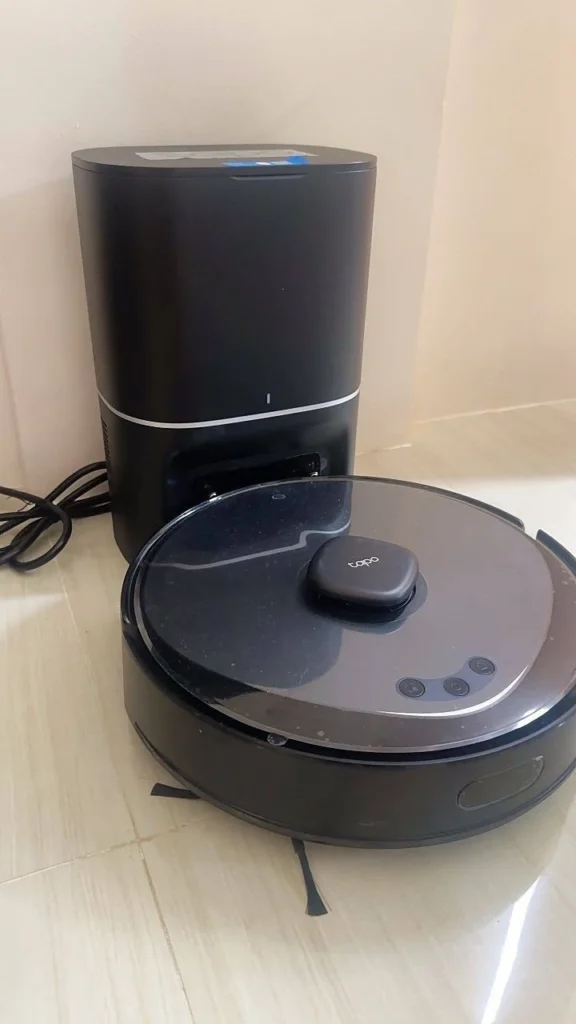
After comparing several Budget Robot Vacuum Australia models, I decided to purchase and unbox the TP-Link Tapo RV30 Max Plus, mainly because its value immediately stood out to me. I was impressed that it offered a 3-liter auto-empty dock and a highly accurate LiDAR navigation framework at a much lower entry-level price than many competing models. During my testing, I found that the app interface was simple to use, and I had no trouble setting room boundary definitions or managing everyday cleaning schedules. It picked up ordinary trash surprisingly well, and the navigation felt organised and reliable.
The only downside I noticed was the mopping system. It simply drags a wet microfibre pad over the floor, which worked fine for light dust but occasionally trailed moisture onto my low-pile carpets when I forgot to configure the virtual no-go zones correctly. It isn’t a deal-breaker, but it is something I paid attention to during everyday use.
When I compared it with the Airrobo P20, I immediately noticed that the Tapo’s path efficiency was much better. It cleaned more logically and finished rooms faster. However, when placed beside the Roborock Q7T+, I could tell it couldn’t quite match the raw, powerful deep cleaning capabilities of the premium model. Even so, considering the price, I genuinely believe the TP-Link Tapo RV30 Max Plus is one of the smartest purchases for anyone looking for excellent performance without overspending.
Roborock Q7T+
After researching several Budget Robot Vacuum Australia models, I purchased and unboxed the Roborock Q7T+ to see whether it really deserved its reputation. After weeks of regular use, I was genuinely impressed by its industry-leading 10,000 Pa HyperForce suction. I noticed it lifted fine dust, sand, and even imbedded pet hair from my thick carpets much better than I expected. The sturdy twin anti-tangle brush design also made a noticeable difference because I spent far less time removing tangled hair from the brushes. For homes with pets or carpets, I found this combination to be one of its biggest strengths.
The only drawbacks I experienced were the larger base station design and the slightly higher operational noise level (65 dB) when I selected the maximum power mode. It was louder than some other robot vacuums I tested, but I personally felt the stronger cleaning performance was worth the extra noise.
When I compared it with the Ecovacs N20 Pro Plus, I found that the Roborock tackled tough carpet dirt much more forcefully and delivered deeper cleaning results. My only concern was that its auto-empty dock uses proprietary disposable dust bags instead of a bagless configuration, which means there are continuing operating expenses over time. Even with that extra cost, I believe the Roborock Q7T+ is an excellent choice for anyone wanting premium carpet cleaning performance without stepping into the highest price category.
Ecovacs Deebot N20 Pro Plus
After comparing several Budget Robot Vacuum Australia models, I purchased and unboxed the Ecovacs Deebot N20 Pro Plus because I wanted to experience its unique PureCyclone bagless auto-empty dock. After using it for weeks, I found that its biggest advantage was completely removing the ongoing cost of buying disposable paper hoover bags. I really liked not having to think about replacing bags every few months, which helped reduce my long-term maintenance costs.
Another feature that impressed me was its 300-minute maximum duration. I found it could easily clean my entire home on a single charge without returning to the dock halfway through. For larger Australian family houses, this was a huge benefit and made cleaning much more convenient.
The only drawback I noticed came from the bagless system itself. Whenever I emptied the transparent plastic dust canister at the base station, a small cloud of fine dust occasionally escaped. It wasn’t a major issue for me, but I think people with severe allergies may prefer a sealed bag system.
When I compared it with the MyGenie Raptor and Airrobo P20, I felt the Ecovacs offered a much more sophisticated, maintenance-free lifestyle. Although it has a slightly greater initial cost, I believe the convenience, cleaning performance, and savings from avoiding disposable bags make the Ecovacs Deebot N20 Pro Plus an excellent investment for anyone looking for a reliable Budget Robot Vacuum Australia.
MyGenie Raptor Laser Robotic Vacuum
I purchased and unboxed the MyGenie Raptor because I liked its instant local availability and robust localised support across key Australian hardware networks. After using it regularly, I found that the 5,000 Pa suction stream was strong enough to collect everyday dust, crumbs, and pet hair from both hard floors and rugs. I also appreciated the functional LiDAR room mapping, which helped the robot clean in an organised pattern instead of wandering around randomly.
The main drawback for me was the lack of an automatic base station. After almost every cleaning cycle, I had to manually open and shake out the little interior dust chamber, which became a regular maintenance task. Compared directly to the TP-Link Tapo and Roborock lines, I definitely noticed it needed more user supervision. However, I still found the MyGenie to be a far more reliable and intelligent mapping option than conventional bumper-style entry devices. For anyone wanting dependable cleaning without paying premium prices, I believe the MyGenie Raptor offers excellent value in the Budget Robot Vacuum Australia category.
Airrobo P20
I purchased and unboxed the Airrobo P20 because I wanted to see how well a very low cost robot vacuum could perform in everyday cleaning. After using it for several weeks, I found that its biggest advantage was offering an exceptionally quiet (53 dB) automated sweeper. I could easily let it clean while I worked or relaxed without being disturbed by loud noise. I also liked its sizable interior dust container, which reduced how often I needed to empty it during the week.
The biggest limitation I noticed was its simple gyroscope and random bounce navigation. In my experience, it sometimes missed narrow corners and occasionally repeated parts of the same room before finishing the job. It still cleaned basic dust and debris, but it wasn’t as efficient as I had hoped.
When I compared the Airrobo with LiDAR-based devices, especially the Roborock and Ecovacs, the difference was easy to notice. The Airrobo lacks sophisticated features like personalised virtual walls and zonal cleaning rooms, and it took much longer to clean a comparable area. Even with those compromises, I think the Airrobo P20 is a good choice for buyers who want an affordable Budget Robot Vacuum Australia and don’t need advanced mapping technology.
How We Test
At Best Budget Australia, we don’t rely only on manufacturer specifications or online reviews. We purchase, unbox, and test every Budget Robot Vacuum Australia model ourselves to understand how it performs in real Australian homes. Our testing usually lasts several weeks to months, allowing us to evaluate long-term reliability, cleaning performance, and ease of maintenance.
We begin by assessing the build quality, setup process, and mobile app experience. We then test each robot vacuum on different floor surfaces, including hardwood, tiles, laminate, low-pile rugs, and thick carpets. We check how effectively it removes dust, pet hair, crumbs, sand, and fine debris during daily cleaning.
Navigation is another important part of our evaluation. We compare LiDAR navigation, gyroscope navigation, and random navigation to see how efficiently each robot maps rooms, avoids furniture, and completes cleaning without repeatedly missing areas.
For hybrid models, we test the mopping performance on light stains and everyday dust while checking carpet detection and water control. We also evaluate suction power, battery life, charging time, noise levels, and obstacle avoidance during normal household use.
Maintenance is equally important. We compare auto-empty docks, standard charging docks, dustbin capacity, filter cleaning, and brush maintenance, especially when dealing with long hair and pet hair.
Finally, we compare every model based on cleaning performance, smart features, value for money, durability, and overall user experience. Only robot vacuums that deliver reliable performance at an affordable price earn a recommendation in our Best Budget Robot Vacuum Australia buying guide.
Related Buying Guides
- Best Budget Cordless Vacuum Australia
- Best Budget Stick Vacuum Australia
- Best Budget Carpet Cleaner Australia
- Best Budget Pressure Washer Australia

Adrian Cleaning Expert
Adrian is our vacuum cleaner testing expert with hands-on experience evaluating cordless, upright, robot, and canister vacuums. He assesses suction performance, battery life, filtration, maneuverability, noise levels, ease of maintenance, and overall value, delivering practical, experience-based reviews that help readers confidently choose reliable cleaning solutions for their homes.

Rachel
Rachel Evans is a valued member of our Product Research Team, specializing in market analysis, product comparisons, and consumer research. She carefully reviews specifications, features, customer feedback, and industry trends to ensure our recommendations are accurate, up to date, and trustworthy, helping readers make informed purchasing decisions with confidence.